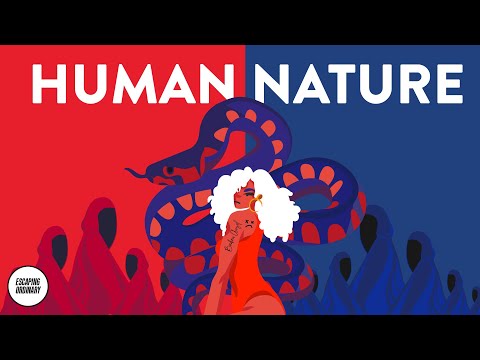
21 Mind Traps : The Ultimate Guide to your most common Thinking errors
Escaping Ordinary (B.C Marx)
Summary
Human thinking is heavily influenced by inherent cognitive biases and mental shortcuts that can distort perception, decision-making, and emotional well-being, but understanding and recognizing these traps is the first step toward more rational thought.
Key Takeaways
- Cognitive Dissonance: When two held beliefs conflict, people often reinterpret situations retrospectively (like the fox with "sour grapes") to reduce mental discomfort and anxiety, rather than admitting shortcomings or facing unpleasant truths. 2:01
- Spotlight Effect: Individuals tend to overestimate how much others are observing them; recognizing that people are seldom as interested in your actions as you think can help reduce unnecessary anxiety. 3:34
- Anchoring Effect: Our judgments are heavily influenced by an initial piece of information, even if it's arbitrary (like a random number influencing a judge's sentence); proactively setting your own mental anchors before negotiations can help counteract this bias. 6:01
- Halo Effect: An initial positive impression or single positive trait can disproportionately affect our overall perception of a person or thing, blinding us to negative aspects; to combat this, gather independent judgments from group members before open discussion, especially in a professional setting. 10:16
- Confirmation Bias: People tend to seek out and interpret new information in a way that confirms their existing beliefs while actively ignoring or forgetting disconfirming evidence; to become an independent thinker, consciously explore "gray areas" and diversify your information sources. 17:15
- Zeigarnik Effect: Incomplete tasks remain active in our memory, causing stress, while completed tasks are easily forgotten; simply writing down a plan to complete an incomplete task is often enough to alleviate this mental burden and provide peace of mind. 19:28
- Paradox of Choice: While variety can initially attract, an excessive number of choices can lead to inner paralysis, decision fatigue, regret, and even opting out of making a choice altogether, with more optimal decisions often made when given a smaller set of options. 20:21