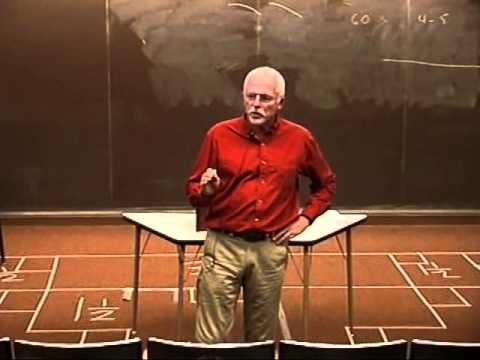
Marty Lobdell - Study Less Study Smart
Pierce College District WA
Summary
To truly learn and retain information, students should prioritize efficient, active study methods like chunking work with breaks, engaging in deep processing, creating dedicated study spaces, and ensuring adequate sleep, rather than simply studying more hours through passive or inefficient means.
Key Takeaways
- Optimal Study Duration & Breaks: Limit effective study sessions to 25-30 minutes, followed by a 5-minute break doing something enjoyable. This allows for mental recharge and prevents the negative reinforcement of ineffective prolonged study, potentially transforming 6 hours of desk time into 5.5 hours of effective learning. 6:22
- Reinforce Study Habits with Rewards: After a concentrated study period or when your study time is complete for the day, plan a special, enjoyable treat to reinforce the positive behavior. This could be a short fun activity during a break or a larger reward at the end of the day. 6:47
- Create a Dedicated Study Environment: Utilize environmental cues by establishing a specific "study lamp" or dedicated area for studying only. Turn your desk away from distractions like beds, clear food cues from kitchen tables, and avoid studying in high-distraction living areas. Turning on the lamp signals study time; turning it off means you leave the desk, improving focus and potentially a full GPA point. 15:15
- Prioritize Concepts Over Facts: In college, focus on grasping concepts (e.g., "what is psychoanalysis?") rather than just memorizing facts (e.g., "Sigmund Freud is the father of psychoanalysis"). Concepts stay with you longer and allow you to look up facts as needed, promoting deeper understanding and application. 20:41
- Engage in Deep Processing: To remember information better, engage in "deep processing" by thinking about the usefulness or application of what you're learning, rather than superficial processing (e.g., counting vowels). Relating new information to what you already know makes it meaningful and significantly improves recall without extra effort. 29:21
- Active Learning & Recitation: Enhance learning by being active: join study groups, teach the material to others (family, roommates, or even an empty chair), and put concepts into your own words. Reciting aloud helps identify gaps in understanding and reinforces memory. 41:20
- Effective Textbook Reading (SQ3R): Use the SQ3R method (Survey, Question, Read, Recite, Review) for textbooks. Survey the chapter for an overview and generate questions, then read actively, recite what you've learned, and review before exams. This structured approach helps you look for answers and improves retention significantly more than passive reading or over-highlighting. 43:53
- Strategic Memorization with Mnemonics: For facts, utilize mnemonics like acronyms (e.g., ROYGBV, SAME), coined sayings (e.g., "righty tighty, lefty loosey"), or interacting images (e.g., "fat cats with 9 lives" for 9 calories/gram in fat). Create vivid, even weird, mental images to make facts stick, as they are quicker and easier than rote memorization. 47:56
- Immediate Note Expansion & Clarification: Within minutes after a class, review and expand on your notes, adding depth and detail. If you wait, you'll forget what you wrote. If clarification is needed, ask classmates or, preferably, the instructor, as they appreciate students seeking understanding. 39:16
- Prioritize Adequate Sleep: Sufficient rapid eye movement (REM) sleep, typically around 8 hours for adults, is crucial for memory consolidation, converting temporary long-term memories into permanent ones. Sacrificing sleep for studying is counterproductive, as it hinders the brain's ability to store learned material. 37:15