
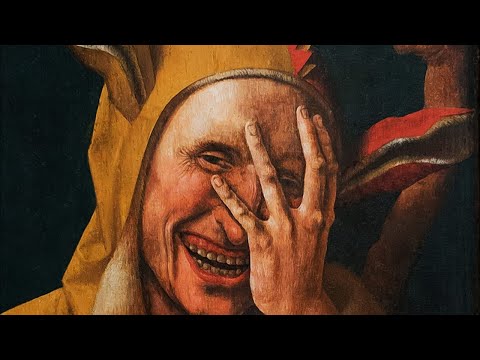
The Psychology of The Fool
Eternalised
Summary
The 'fool' archetype, often suppressed by modern conformity, is crucial for individual well-being, societal truth-telling, and personal transformation, representing a necessary leap into the unknown to uncover deeper wisdom and authenticity.
Key Takeaways
- Embrace Folly: Modern life, with its emphasis on workaholism and efficiency, often leads to boredom and exhaustion by neglecting the fundamental human need for playfulness; embracing the fool archetype, balanced with the wisdom of a sage, can restore spontaneity, authenticity, and passion. 0:16
- Truth-Teller: Fools uniquely possess the freedom and lack of manipulative intent to speak uncomfortable truths that others fear to utter, whether through natural simplicity or by using humor and wit to make harsh realities more palatable. 3:20
- The Wise Fool: Characters like Socrates exemplify the "wise fool" who, despite being seen as foolish, derives profound wisdom from acknowledging personal ignorance and courageously challenging established conventions. 4:49
- Laughing With, Not At: Psychologically, the fool is distinguished from the trickster: while the trickster enjoys schadenfreude and tricks others, the fool laughs with people or at themselves, creating vulnerability that breaks social masks and allows for genuine connection. 9:18
- Agent of Change: Historically, figures like court jesters and the 'holy fool' served as vital agents of change, permitted to ridicule authority and disrupt norms, thus providing fresh perspectives and ensuring the liveliness and necessary evolution of culture. 12:42
- Healer of the Inner Wound: Jungian analysis suggests that an "inner fool" is essential for healing the "Fisher King wound"—the pain of awakening to life's harsh realities—by embracing a foolish, innocent part of oneself to ask crucial questions that lead to redemption and wholeness. 17:31
- The Hero's Journey Start: The Tarot's "Fool" card (number zero) symbolizes the necessary first step of the journey, representing a new beginning and the "beginner's mind" (Shoshin) that bravely leaps into the unknown, leading to individuation and self-realization despite potential failures. 26:20


