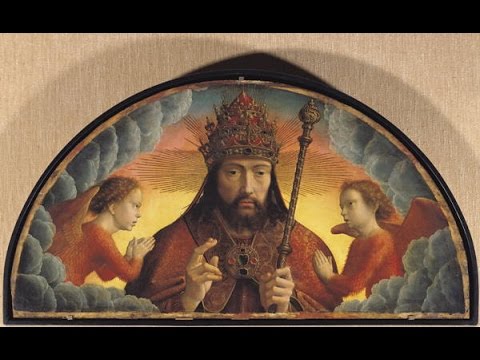
Lecture: Biblical Series I: Introduction to the Idea of God
Jordan B Peterson
Summary
Jordan Peterson introduces his lecture series on the psychological significance of Biblical stories, arguing that these ancient narratives offer crucial insights into human behavior and the foundational principles necessary to address the modern Western crisis of meaning, which stems from the collapse of traditional belief systems and the rise of nihilism and destructive ideologies.
Key Takeaways
- Enduring Mysteries: The Bible is a mysterious, contradictory document that has outlasted empires and profoundly shaped civilization, yet its origins, composition, and impact remain largely misunderstood, making it a subject worthy of deep exploration. 2:00
- Nietzsche's Prophecy of Decline: Nietzsche, while appreciating Christianity's role in forging the scientific mind, foresaw that the erosion of the "god ideal" would destabilize Western civilization, leading to violent swings between nihilism and extreme ideologies, predicting catastrophic death tolls in the 20th century. 6:06
- The Unarticulated Dream & Sickness of Spirit: Human articulated knowledge is embedded in an unconscious, "emotional dream" informed by our actions; when these two are out of sync, it causes internal dissociation and a "sickness of the spirit," which destructive ideologies ("crippled religions") attempt to superficially organize. 8:22
- Fiction Reveals Universal Truths: Stories, myths, and even fiction like Shakespeare's plays, are "more true" than objective facts because they abstract and distill canonical patterns of human behavior and experience observed over millennia, offering practical guidance on how to live and understand ourselves. 38:18
- God as an Abstracted Ideal: The ancient concept of God, particularly in its "fatherly" and "son-like" attributes, can be understood as an abstracted ideal of the guiding principle of sovereignty and competent behavior, derived from observing patterns of order-creation and confronting chaos. 48:48
- Consciousness as Constitutive & Divine: The Biblical "Logos" (the Word) signifies consciousness as a constitutive, divine element of reality, necessary for being to exist. This "divine spark" is equally manifest in men and women and serves as the metaphysical cornerstone of Western legal systems, granting individuals intrinsic value. 1:40:09
- The Necessity of a Noble Aim: Lacking a noble aim leads to despair and an inability to withstand life's inherent suffering and complexity. A noble aim, found through confronting chaos with attention and careful speech, is essential for grounding individuals and justifying existence. 1:16:14
- Phenomenological Truth: The Bible offers phenomenological truth, elucidating the structure of conscious human experience rather than objective scientific facts. Understanding this allows for a rational interpretation that avoids fundamentalist contradictions and provides practical tools for navigating reality. 1:28:43