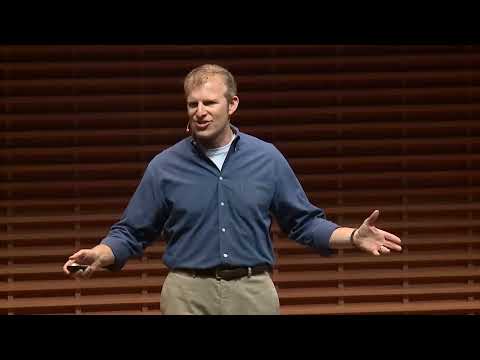
Think Fast, Talk Smart: Communication Techniques
Stanford Graduate School of Business
Summary
Effective spontaneous communication, which is more common than planned speaking, hinges on managing anxiety, reframing situations as opportunities, active listening, and utilizing simple structures to deliver clear, confident messages.
Key Takeaways
- Manage Anxiety: Recognize that anxiety is normal (85% of people report it) and can be managed, not overcome, to make your audience comfortable and receptive; techniques include greeting anxiety, reframing speaking as a conversation, and practicing present-oriented activities. 5:10
- Reframe Speaking as Conversation: Instead of viewing public speaking as a performance with a "right way," see it as a conversation by using questions to engage the audience and adopting inclusive, conversational language (e.g., "this is important to you," "first what we need to do") rather than distancing language. 9:12
- Get Out of Your Own Way: The first step to spontaneous speaking is to stop striving for perfection, as over-evaluation and over-analysis can cause you to freeze; practice "daring to be dull" to overcome the urge to overthink and allow genuine responses. 16:34
- See Opportunities, Not Threats: Reframe speaking situations as opportunities to clarify, explain, or connect, rather than challenges or adversarial experiences, which fosters a more open and less defensive approach to interaction. 24:37
- Slow Down and Listen: Prioritize listening to truly understand your audience's needs or questions, as effective communication is about being in service of your audience; avoid thinking ahead to your response and instead "don't just do something, stand there" and listen before responding. 33:52
- Use Simple Structures: Employ predefined structures like "Problem-Solution-Benefit" (or Opportunity-Solution-Benefit) or "What-So What-Now What" to quickly organize your thoughts, increase processing fluency for your audience, and reduce your cognitive load when speaking spontaneously. 38:45
- Handle Hostile Situations: In challenging scenarios, anticipate potential hostility, acknowledge the audience's emotion without naming it (e.g., "I hear you have a lot of passion/concern"), and reframe the question to allow you to deliver your message confidently and on your terms. 49:12
- Engage Remote Audiences: For distributed audiences, be mindful of their presence and actively include engagement techniques such as asking them to imagine scenarios, using polling features, or employing collaborative online tools like Google Docs to maintain connection and participation. 51:08